Antarctic tourists are becoming citizen scientists to help clean up the continent
[ad_1]
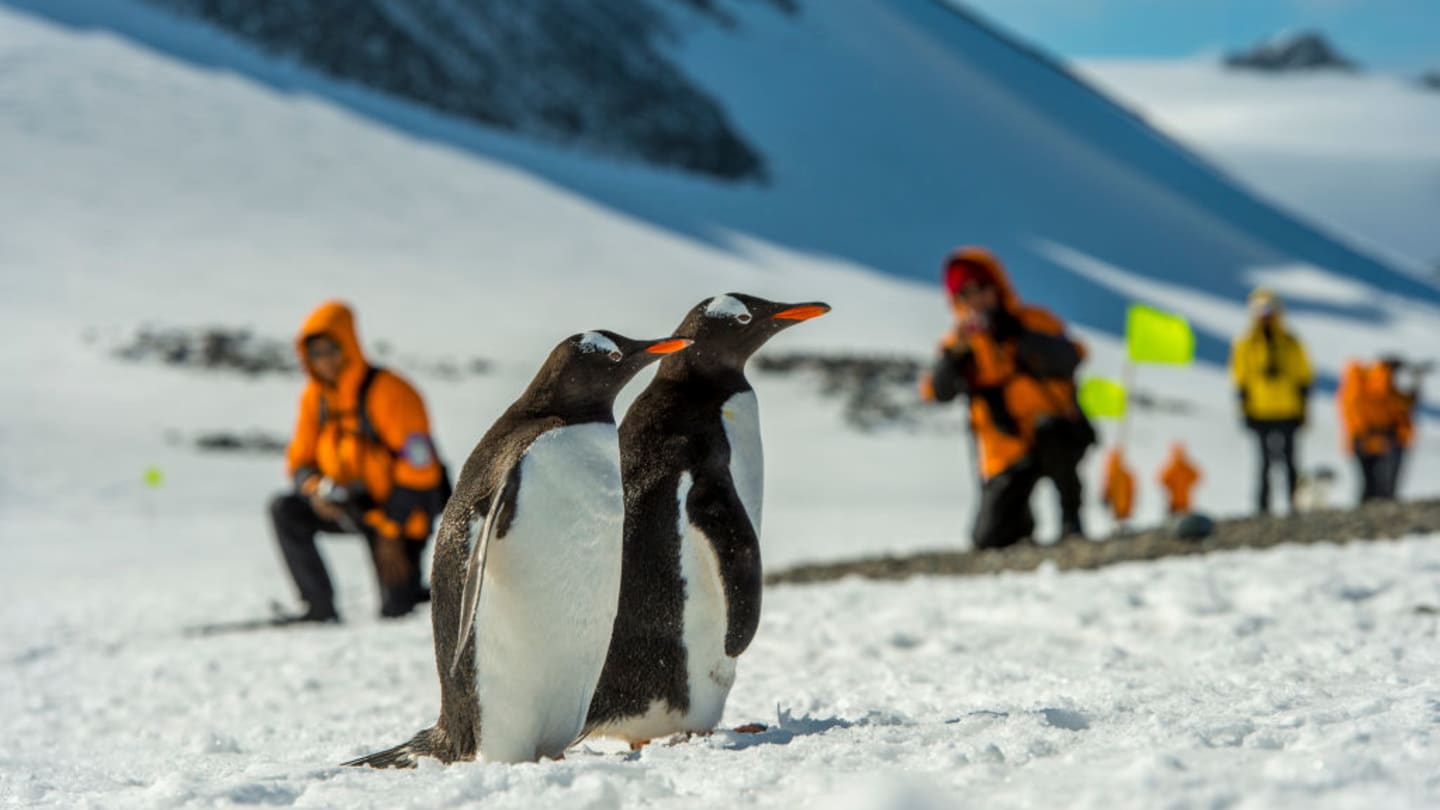
Antarctica is one of the last largely untouched places on Earth. Ten years ago, about 33,000 tourists visited the South Continent each year.Today that number has more than doubled to over 74,000 [PDF]But with them comes invasive species that can destroy fragile ecosystems, further damage heavily trafficked areas, and increase pollution.
To reduce visitor impacts in Antarctica, scientists and polar tour operators are balancing the risks to the sensitive environment with the need to facilitate management of remote areas.
A 2012 study found an average of 9.5 non-indigenous seeds per person visiting Antarctica distributed across the continent. However, these hitchhikers aren’t limited to people clinging to humans. A recent study found that tiny marine creatures around the world are on board ships bound for Antarctica. These may not seem like big problems. In other oceans, commercial cruise liners leave behind oil, plastic waste and sewage.Over time, alien plants and animals introduced by humans can colonize new environments and crowd out endemic species. [PDF].
Founded in 1991, the International Association of Antarctic Tour Operators (IAATO) promotes ‘green’ tourism to the frozen continent. This includes a very cautious approach to curbing the arrival and spread of invasive species and incorporating the latest science into tourism policy. Such positivity and foresight are critical to the health of the African continent and its bottom line.
IAATO and its affiliated research scientists are now encouraging these tourists to have a positive impact on the South Pole and the planet at large.

“Instead of passively informing visitors about the research being done in Antarctica, we can engage them through citizen science programs,” Allison Cusick tells MentalFloss. “It’s an immersive experience.”
Dr. Cusick is a candidate in Biological Oceanography at the Scripps Institute of Oceanography and co-founded the FjordPhyto initiative to investigate how melting glaciers are affecting phytoplankton communities along the western Antarctic Peninsula. She and her colleagues enrolled more than 4,000 Antarctic tourists as citizen scientists, sampling water during their to-do list trips and measuring the productivity of marine ecosystems.
FjordPhyto collaborates with the Polar Citizen Science Collective (PCSC). PCSC is a clearinghouse for scientists who want to launch citizen science projects in the Arctic and tour operators who want to offer experiences to their guests. In addition to FjordPhyto, PCSC has helped polar researchers connect with citizen science volunteers for everything from cloud monitoring to marine mammal identification. It’s a mutually beneficial relationship. “Citizen science allows us researchers to ask more questions and keep people interested in the world around them,” he says.

Antarctic visitors still play a role when they return home. IAATO members encourage clients to become “Antarctic Ambassadors” by sharing stories about their Antarctic experiences and advocating for conservation.
More than just offering visitors a once-in-a-lifetime trip, Daniela Cajiao told Mental Floss: Calljao, who recently completed her PhD at the Autonomous University of Madrid, co-authored her study earlier this year looking at what happens after Antarctic travelers finish their visits. She finds that while her guides demonstrate a role in supporting policies that protect vulnerable landscapes to tourists, her efforts do not always translate into environmental action. Did.
Today’s Antarctic visitors are accustomed to the social aspects of exploration and are more likely to learn from interactive activities such as citizen science initiatives than onboard lectures, Callao explains. Her research suggests that citizen science projects and adventures tailored to these attitudes are correlated with tourists acting for the environment after their vacation is over. is very important in the context of, she says. Actions, not thoughts and feelings, help sustain polar ecosystems.
“Why do we care about this giant icy desert?” Cusick asks rhetorically. “Because it’s extremely important to the health of the planet as a whole.” And experts say that worrying about what happens in Antarctica shouldn’t be limited to scientists.
When we want to learn about a place and experience its beauty, we form a deep connection with something bigger than ourselves. The key is to instill a sense of amazement so deep that visitors to Antarctica stay with them long after they return home.
[ad_2]
Source link