Menstrual health literacy is key in the anti-abortion era : Schott
[ad_1]

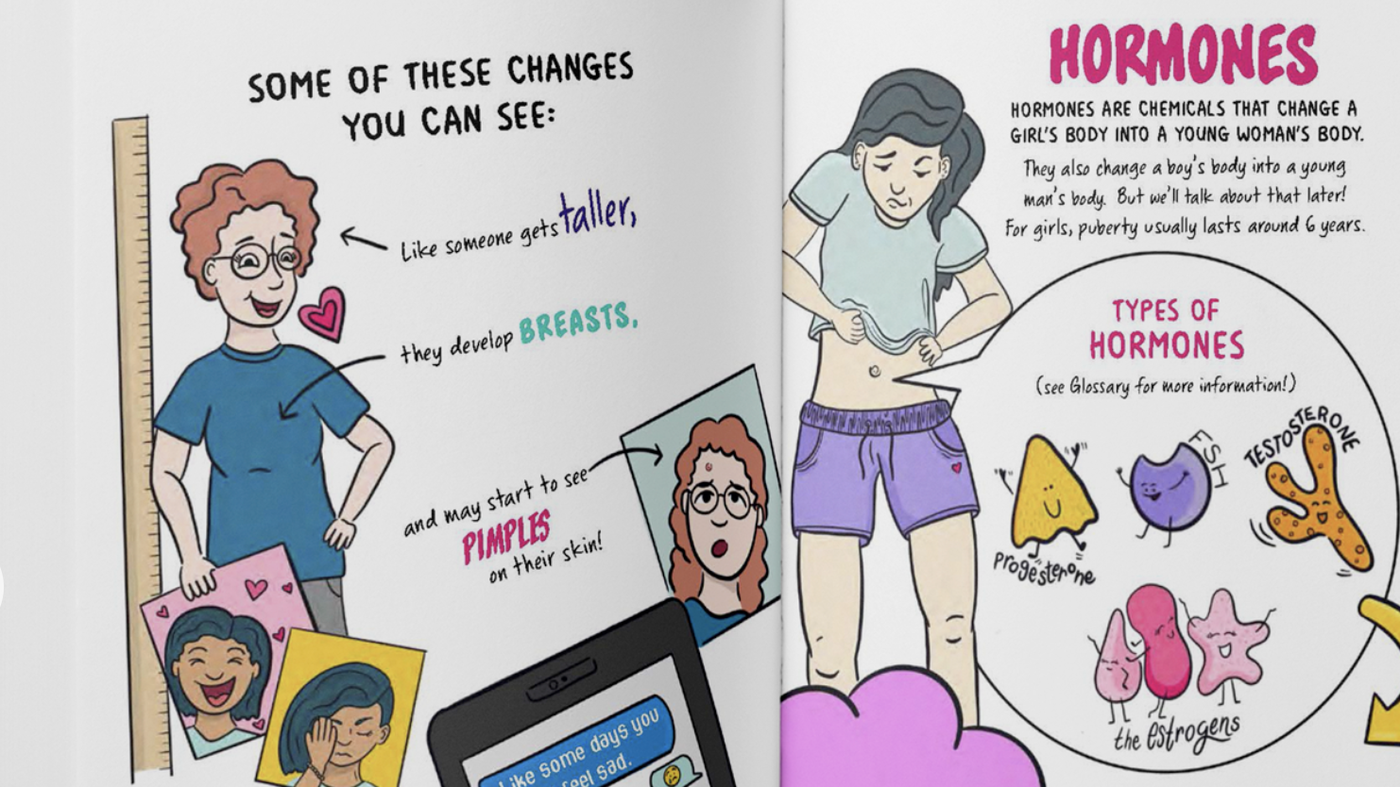
Writer and health educator Marni Sommer A Girl’s Guide to Puberty and Menstruationaims to help young people aged 9-14 understand the changes that occur during puberty and when and what to expect.
Screenshot by Grow & Know/NPR
hide caption
toggle caption
Screenshot by Grow & Know/NPR
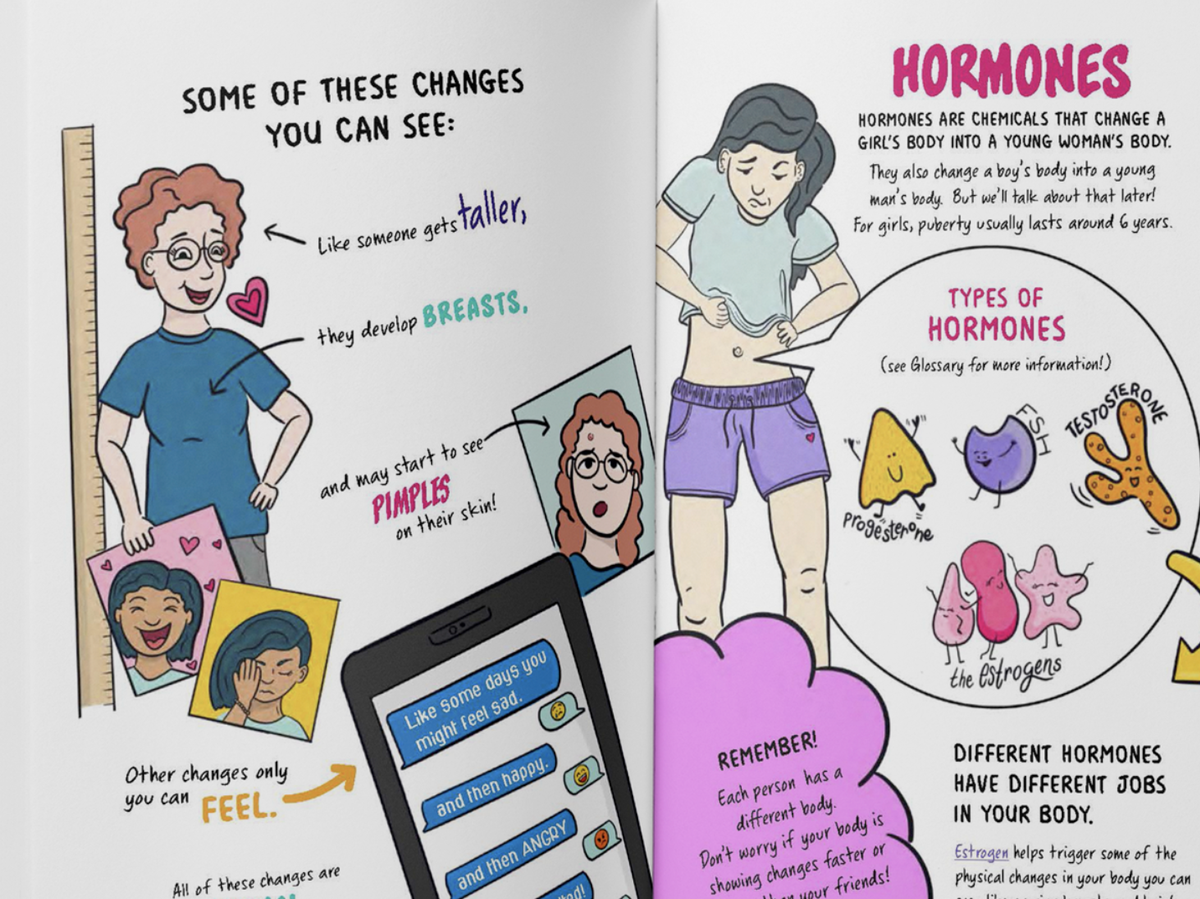
Writer and health educator Marni Sommer A Girl’s Guide to Puberty and Menstruationaims to help young people aged 9-14 understand the changes that occur during puberty and when and what to expect.
Screenshot by Grow & Know/NPR
One thing most people haven’t talked about since Law vs Wade The question of how abortion restrictions affect young girls across the United States has been debunked.
Many young people learn the basics of managing their periods around the time of their first period, such as how to put on pads and tampons and once a month. Traditionally, you may be advised to keep your periods hidden. Young people may obtain information about menstruation from family members, friends, teachers, or by searching the Internet.
However, it is often later that we learn and truly understand the more intricate details of the menstrual cycle. This includes guidance on regular and irregular patterns and when to seek medical care for changes in timing, duration, or overall experience, including the severity of menstrual cramps and heavy bleeding. These conversations also have clear implications for ovulation and prevention of pregnancy.
now in overthrow Law vs Wadeyoung people who have started menstruating need to learn early on how to recognize a missed period as soon as possible. However, in the future, in situations where abortion beyond a very short period is prohibited, even one missed period could have a serious impact on a young person’s life. may give.
Conversely, it is important for young people to know that irregular periods are normal and not necessarily a cause for concern.

For nearly 20 years, I have researched the menarche (the onset of menstruation) experiences of young people around the world. In 2018, my team began investigating the menstrual experiences of American girls. This includes recommendations on what every young girl should know as she enters puberty and begins menstruating.
Based on these suggestions and insights, A Girl’s Guide to Puberty and Menstruationis a body-positive illustrated graphic novel style book containing first period stories, advice and questions written by a girl.
Globally, girls growing up in Africa, Asia, and here in America often receive inadequate information and support about their periods.
Insufficient information about menstruation
Menstrual health literacy, or a person’s understanding of the menstrual cycle and its relationship to health and well-being, is essential from the first menstrual period to menopause.
The American College of Obstetricians and Gynecologists and the American Academy of Pediatrics recommend asking about your period just as doctors and nurses check your blood pressure and temperature at every appointment.
These professional groups suggest that health professionals prepare girls and their families for the onset of menstruation and ensure they understand the differences in menstrual patterns.
My team’s US research focused on adolescent girls in Los Angeles, New York, and Chicago. Our findings, along with surveys of state-level menstrual education standards across the country, suggest that the United States is far from providing menstrual health knowledge to the public. Our research showed that many girls did not receive any guidance before menarche or were given information that they found outdated and difficult to relate to. Think of educational videos made in the 1990s.
According to a recent release from the US Centers for Disease Control and Prevention, the median age at menstruation has decreased from 12.1 years in 1995 to 11.9 years in 2017. This means that many girls today have their first menstrual period in elementary school. .
Therefore, there is a clear need for 4th or 5th graders to receive menstrual health education. Girls without education and support, especially those who have their first period at a young age, are more likely to experience depression and low self-esteem.
But many American girls have yet to learn basic facts about their menstrual cycle at home, at school, or from their health care providers. I feel uncomfortable talking.
Our research, which also looked at girls’ menarche in 25 US states, found that many young people feel scared, ashamed, and unsure of who to turn to for advice when menstruation begins. rice field.
Glamour
Youtube
many lost opportunities
An important source of news and guidance for many young people, the internet and social media can be misinformed and promote menstrual stigma. And his 2020 survey of members of the American Academy of Pediatrics found that 24% of his surveyed pediatricians did not regularly provide guidance before the first period. . Additionally, 33% do not discuss menstruation with menstruating patients. Male pediatricians were also less likely to assess and inform patients’ menstrual cycles.
Schools may also not provide the guidance you need. In New York State, where I work, there is no mandate to provide menstrual health education, nor is sex education required to be taught or medically accurate. Only 30 states and Washington, DC mandate sex education in schools, but not all states require accurate medical care.
Data are limited and public information is not always available, making it difficult to know whether many states include menstrual health in their curricula. Given how important it is to be educated, I think schools could consider offering adolescent education, including menstrual health, separate from sex education. This is especially true in states that have been hesitant to make sex education mandatory.
Menstrual health literacy translates into health literacy
A survey of women of childbearing age suggested that only about 50% knew the average number of days in their normal menstrual cycle. Not knowing what is normal and what is not when it comes to the average menstrual cycle (from the frequency of periods to the degree of bleeding and pain) puts adolescent girls and women at increased health risks.
Ted
Youtube
Health, including menstrual health, is a basic human right. For menstruating people, this means the right to be informed about menstrual health, as well as being able to seek care for a myriad of menstrual and reproductive health disorders. These range from dysmenorrhoea, or severe pain, to endometriosis, a condition in which endometrial tissue grows outside the uterus and can cause irregular menstruation and significant discomfort. Diagnosis and treatment are required.
Menstruation is a public health issue and one that awaits increased attention and resources, including but not limited to menstrual health literacy.the fall of egg Add urgency to this public health priority.
This story was originally published in an online magazine. conversation. Marni Sommer Associate Professor of Social Medicine at Columbia University and funded by the Bill & Melinda Gates Foundation to provide guidance on indicators and related actions to improve national-level monitoring of progress in menstrual health and hygiene worldwide. developing.
[ad_2]
Source link