Who can be an influencer?
[ad_1]
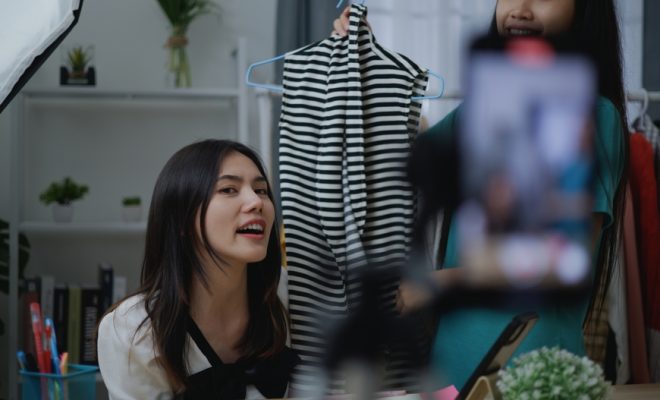
An influencer can be anyone with a phone and a message to share.
This is the case of Khadijah Oliver. In March 2023, she posted a video on TikTok trying on plus size clothes in a Target fitting room, and the video went viral. It now has 53,000 subscribers who regularly consult its content.
Today, brands such as Old Navy (owned by Gap Inc.), American Eagle Outfitters Inc., Abercrombie & Fitch Trading Co., Kohl’s Corp. and Amazon.com Inc. pay Oliver to promote their products to its more than 50,000 subscribers.
Social media influencers like Oliver are everyday people who have accounts on social media platforms like Instagram, TikTok, or YouTube.
Unlike a professional athlete or artist, these influencers amass followers with just the content they post. Consumers follow someone they don’t know for a variety of reasons, such as finding them entertaining or informative, liking the person, or trusting their judgement.
Micro-influencers are gaining traction with retailers and consumers
Some influencers have millions of followers. But increasingly, it’s micro-influencers, those non-famous influencers with a few thousand followers, who are gaining traction with retailers and consumers.
Influencer agency Mavely, which connects brands with influencers to promote merchandise for a fee, reached out to Oliver. After joining, Oliver earned $1,200 in his first week by sharing plus size clothing with his followers. Since then, she earns around $6,500 to $7,500 or more in commissions per month.
Retailers sometimes send merchandise for influencers to try. Jen White has been an influencer for nearly seven years. She’s on YouTube and TikTok, and she has around 98,000 followers on TikTok.
White has worked with brands directly as well as through influencer agencies like Awin, who connected her with sporting goods and apparel brand Under Armor Inc. White also works with the brand online bedding Brooklinen and Dick’s Sporting Goods Inc.
Brooklinen pays White a lump sum. She earns commissions from brands like Under Armor from referral links posted on her TikToks.
“The more engagement you get, the more commissions I can earn compared to other transactions I’ve done. With Dick’s Sporting Goods, it’s a flat fee with no commission,” she says.
The importance of authenticity for influencers
White spends her own money on merchandise she loves, but she also accepts credits from retailers to spend on their websites or in-store. She also receives free items to try before posting an honest review.
“I like the mix,” she says. “Some brands send me products. But I don’t want to work with brands that don’t really fit, or I don’t like the product. I would feel guilty posting about it.
Under Armor sent White athletic shoes, which she said suited her well.
“I try to do what concerns me – and I think my public appreciates [the honesty],” she says.
Oliver provides her followers with affiliate links to items she tries out in her videos.
Compensation differs by brand, says Oliver. She earns a percentage of the sales she generates from posts related to Old Navy and American Eagle — and it’s not always the highest bidder. She doesn’t choose one brand over another because of how much commission she might get, she says.
“American Eagle didn’t offer the highest commission percentage, but I still link my picks because I like their jeans,” says Oliver.
If Oliver likes a brand, she talks about it, regardless of the compensation, she says.
“I spend my own money on what I buy,” says Oliver.
And like White, she sometimes also receives store credit to spend.
“Old Navy gave me [credits] to buy from them,” says Oliver. “But they don’t tell me what specific items to buy.”
“The videos that did really well were because I liked shopping for these items,” adds Oliver.
How influencers and retailers connect
Agencies like Mavely and Awin offer a link between influencer and retailer.
“It depends on what the brand is looking for, and we customize our search based on what brands are asking for – and recently there’s been a big shift towards micro-creators [micro-influencers]says Piper Donnelly, Account Manager, Awin Global.
It’s a growing area for analytics and marketing agency Kroger Precision Marketing/84.51, which is owned by grocer The Kroger Co.
“Kroger shoppers represent half of the US household population,” says Brian Spencer, marketing manager at Kroger Precision Marketing. “We want brands to be able to engage our buyers…and we focus on smaller influencers.
“We really want to organize our influencers,” he says.
Kroger Precision Marketing has different levels of content creators that it vets “to make sure it’s a safe environment,” he says. They typically have a minimum of 10,000 followers and go up to 30,000 to 50,000 followers, which the agency considers a “macro-influencer,” he says.
It’s a way for the Babylist online baby registry to reach new consumers. Babylist spends 20-30% of its digital marketing budget on social media, says Ashley Malone, vice president of performance marketing. It works with Mavely to connect with influencers.
From April 2023 through June, Babylist ran campaigns with various influencers, without specifying how many, to drive signups, Malone says. After working with Mavely, the online registry saw a 15% increase in registry registrations.
Going forward, Babylist will continue to use “a steady stream of influencers or creatives not only on our affiliate platform, but also in our social apps,” Malone says.
Are you listed in our database?
Submit your data with this quick survey and we’ll see where you rank in our next ranking update.
Register
Stay up to date with the latest developments in the e-commerce industry. Sign up for a free subscription to Digital Commerce 360 Retail News.
Follow us on LinkedIn, Twitter and Facebook. Be the first to know when Digital Commerce 360 posts news content.
Favorite
The post Who can be an influencer? appeared first on Digital Commerce 360.
[ad_2]
Source link